
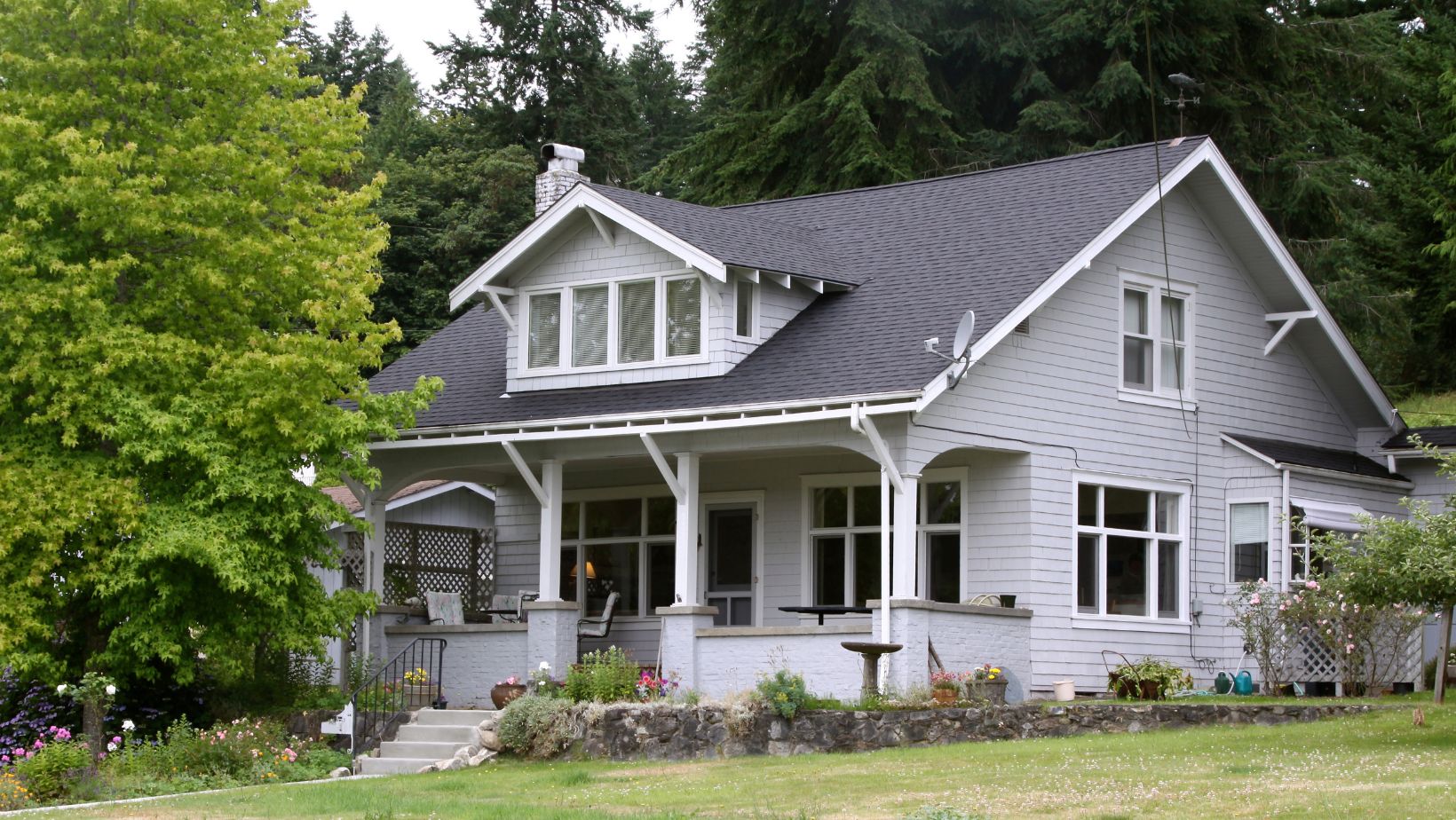
Older homes carry stories in their walls, written through worn floors, stubborn doors, and layouts shaped by another era of daily life. Renovating these spaces calls for patience and restraint alongside a clear sense of what deserves protection versus what deserves an upgrade. The goal rests in creating comfort that feels current while preserving the character that made the home worth saving in the first place.
Renovation often tempts homeowners to start fresh, clearing out anything that signals age in favor of clean surfaces and new finishes. Modern updates work best when they respect the structure of the home and leave room for its history to remain visible.
Keep the Bones Honest
Original features provide an anchor for any renovation, especially elements like wood floors, ceiling beams, stair railings, or plaster walls that carry texture impossible to reproduce convincingly. Restoring these details often delivers greater impact than replacing them since age brings depth that new materials struggle to imitate.
Paint refreshes tired surfaces without erasing history. Refinishing wood returns warmth that newer materials often lack. When the foundation of the home feels cared for, modern additions settle in more naturally.
Upgrade Systems Before Surfaces
Visual changes attract attention, yet true comfort often begins behind the walls. Electrical updates improve safety while supporting modern lighting needs. Plumbing upgrades prevent future surprises that arrive with dramatic timing. Insulation improves temperature control while reducing long term costs.
Once these essentials function properly, cosmetic improvements feel purposeful instead of rushed, creating a home that works well before it tries to look impressive.
Blend Old Materials With New Choices
Successful modernization relies on thoughtful contrast rather than full replacement. Original brick pairs well with streamlined cabinetry. Vintage tile gains new life beside modern fixtures. Wood beams feel intentional when surrounded by clean lined furniture.
Mixing eras introduces depth while preserving identity, allowing each element to stand on its own without turning the house into a themed display of nostalgia.
Rethink Layout Without Erasing Character
Older homes often reflect living patterns shaped around formal rooms and narrow passageways, which can challenge modern routines built around gathering and flexibility. Opening select walls improves flow while preserving architectural features like arches or built in shelving.
Small layout shifts offer breathing room without removing the soul of the space, allowing daily life to move comfortably through rooms that still feel rooted in their original purpose.
Choose Finishes That Age Gracefully
Trends pass quickly, yet older homes benefit from materials that improve with time. Natural stone develops character. Wood deepens in color. Metals soften through use.
Choosing finishes that welcome wear protects the home from feeling outdated after a few seasons, creating continuity between past craftsmanship and present living.
Modernizing an older home works best when progress moves with intention rather than urgency. Comfort grows from careful choices, respect for craftsmanship, and a willingness to let the house remain itself while learning how to function for today.
Explore renovation stories, design guidance, and practical upgrades at DesigningSpaces.tv, where real homes meet thoughtful design.