
Windows shape how a home handles temperature, noise, and comfort throughout the year. Drafts, moisture, and heat loss usually trace back to gaps that develop gradually, making the issue easy to overlook until rooms feel harder to regulate or energy costs creep upward. Weatherproofing windows focuses on sealing those weak points and improving performance without requiring full replacement.
Weatherproofing starts by noticing how a window behaves when temperatures shift and wind picks up.
Identify Air Leaks and Gaps
Changes in comfort near windows provide early clues. Cool air moving along the frame, rattling glass, or condensation forming along edges signals areas where seals have weakened. Simple checks using a hand or lightweight fabric reveal airflow around trim and sashes.
Addressing these gaps improves comfort quickly and reduces strain on heating and cooling systems during seasonal transitions.
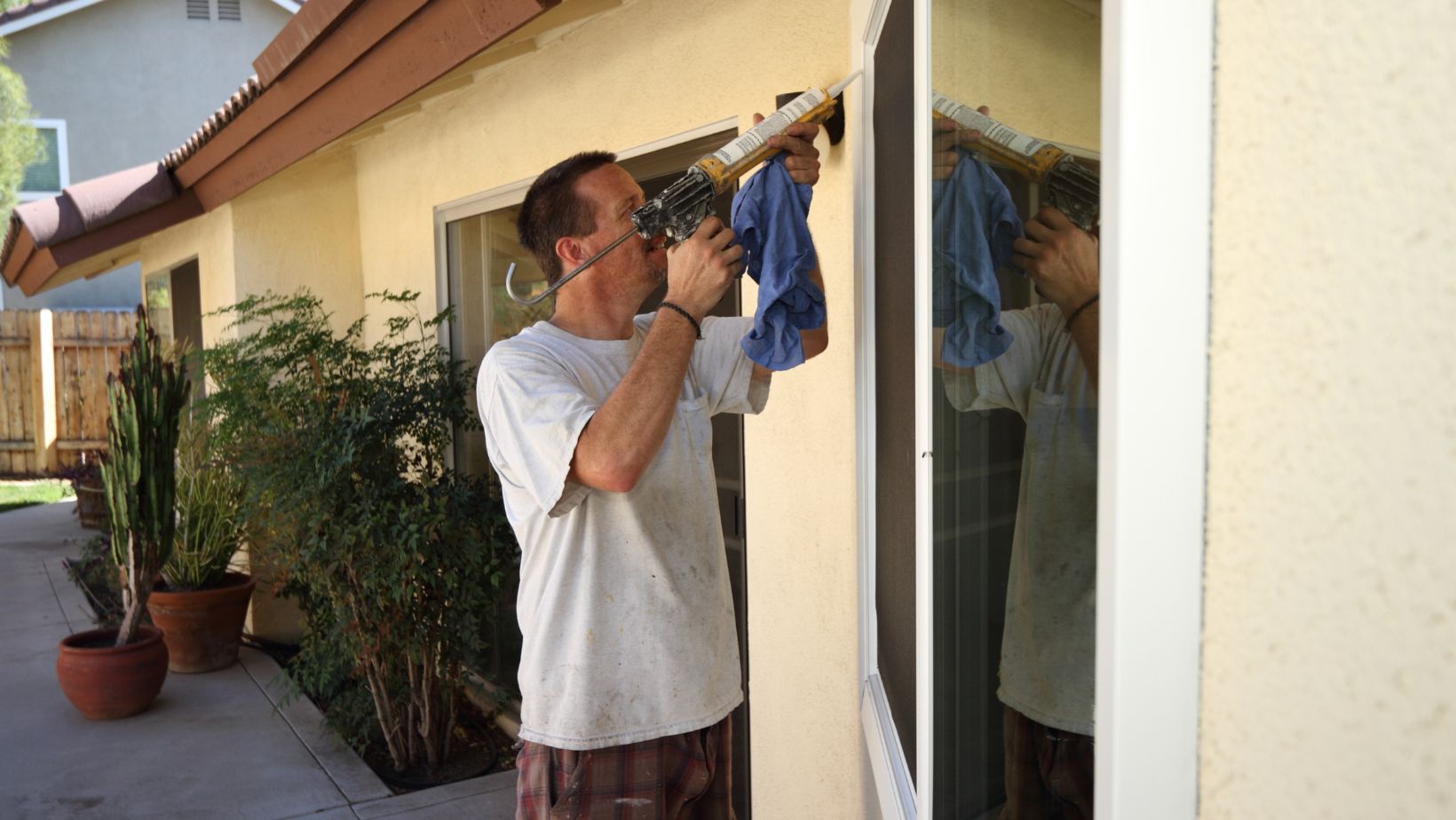
Seal Frames with Caulk
Caulk creates a flexible seal that closes small openings around window frames. Fresh application along exterior seams blocks moisture intrusion while interior caulking limits air movement through gaps between trim and walls.
Selecting the right caulk matters, since exterior products need durability against weather exposure while interior seams benefit from smoother finishes that blend cleanly with surrounding surfaces.
Add Weatherstripping Where Windows Move
Weatherstripping plays a critical role where windows open and close. Sashes, sliders, and operable panels rely on this material to maintain a tight seal when shut.
Replacing worn weatherstripping restores proper contact between moving parts, reducing drafts without changing the appearance of the window.
Upgrade With Window Film
Window film adds an insulating layer directly to the glass. Clear films help retain heat during colder months while limiting heat gain during warmer periods.
This option works well for homeowners seeking seasonal efficiency improvements without altering frames, trim, or window hardware.
Use Thermal Curtains Strategically
Thermal curtains insulate through layered fabric construction rather than structural changes. Closing them during extreme temperatures limits heat transfer while preserving flexibility for daily light control.
These treatments support comfort during evenings and overnight hours when indoor temperatures feel less stable.
Maintain Exterior Protection
Exterior window condition influences long term performance. Repairing damaged trim, repainting exposed wood, and clearing debris around frames protects seals from premature wear.
Routine upkeep preserves weatherproofing efforts and extends the lifespan of existing windows.
Weatherproofing windows improves comfort, efficiency, and protection against seasonal changes through manageable upgrades. Small adjustments create noticeable results while helping homes perform more consistently throughout the year.
Visit DesigningSpaces.tv for clear guidance, real home strategies, and improvements designed to hold up through every season.