
Small living rooms turn decorating into a study of proportion and intention. Every chair, table, or lamp influences how the space feels to move through while shaping how daily life functions inside those four walls. A compact room can feel polished yet personal when each choice supports comfort and flow instead of competing for attention.
Designing within limited square footage often leads to better decisions because excess has nowhere to hide, creating an opportunity to build a room that feels edited and genuinely livable instead of crowded with furniture that looked good in a showroom then struggled everywhere else.
Furniture That Earns Its Place
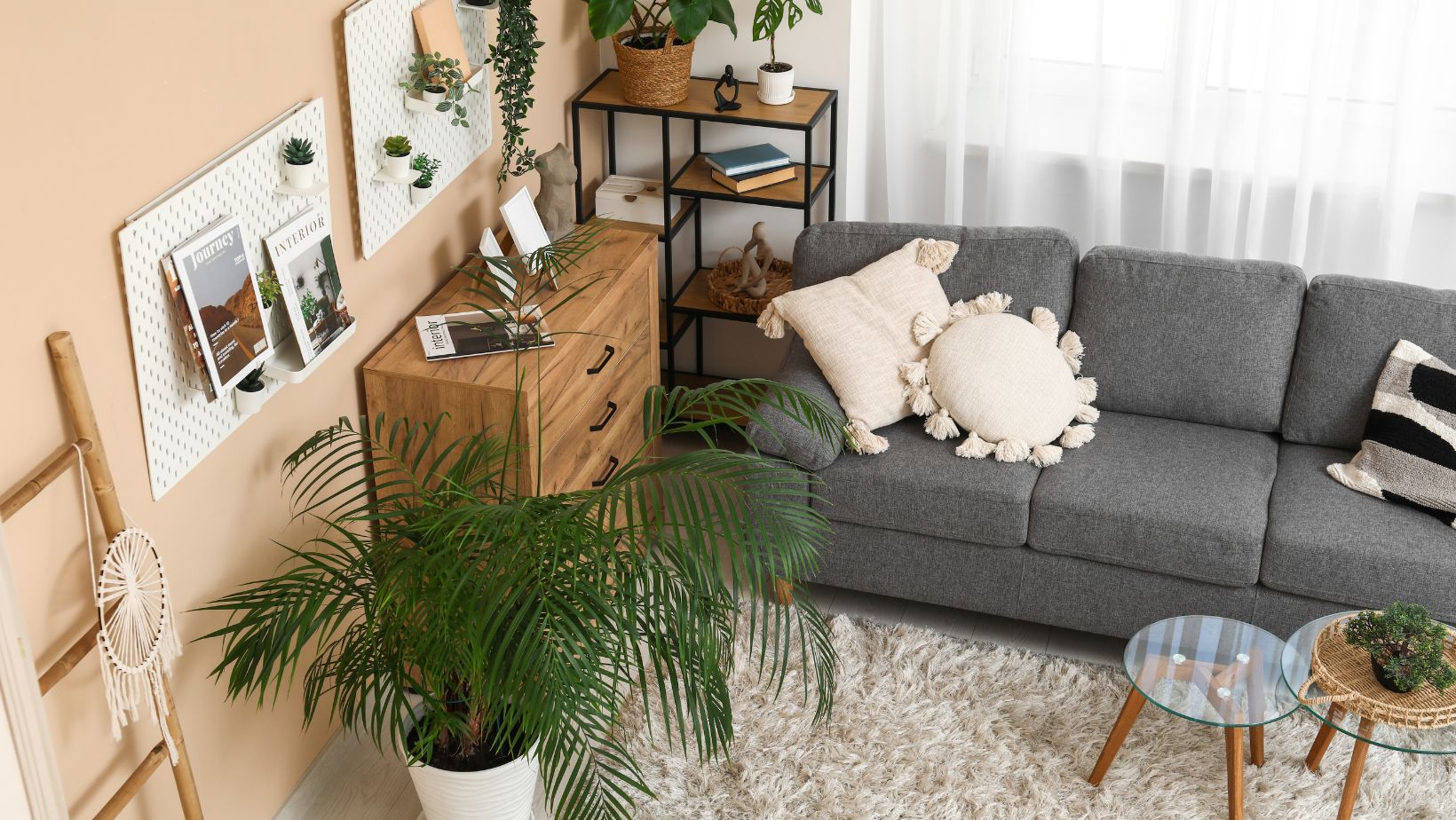
A small living room has little patience for pieces that exist purely for looks, which makes usefulness the most attractive quality any sofa or side table can possess. Sofas with narrow arms free up visual space while still offering comfort. Chairs with open bases allow light to travel across the floor instead of stopping abruptly at heavy upholstery. Coffee tables with drawers or lower shelves provide discreet storage for remotes or books, keeping surfaces calm without demanding extra cabinets along the walls.
Scale matters as much as function since oversized furniture can shrink a room faster than dark paint. Pieces that fit the space create an ease of movement that makes the room feel welcoming instead of restrictive. Choosing fewer items with clear roles often produces a room that feels composed even when life inside it remains beautifully messy.
Storage That Blends Into the Room
Storage in a small living room works best when it behaves like part of the decor instead of announcing itself as a solution to clutter. Built in shelves frame walls with purpose while offering space for books or personal objects. Low cabinets beneath windows turn forgotten areas into practical surfaces for plants or lighting.
Baskets slide under tables to collect throws or magazines. Wall mounted shelves lift storage upward instead of outward, protecting valuable floor space for walking or stretching after a long day. When storage feels integrated, the room stays functional without adopting the personality of a supply closet.
Light That Expands the Space
Lighting shapes perception more than most design tricks, especially in smaller rooms where shadows tend to gather in corners like uninvited guests. Floor lamps draw the eye upward while softening dark areas without crowding side tables. Wall sconces provide gentle illumination that keeps surfaces clear for daily use.
Mirrors amplify natural light while adding depth when placed across from windows or near lamps, creating the impression of added dimension without moving a single wall. Soft layered lighting encourages the room to feel open during the day then relaxed at night, a balance that supports both productivity and rest.
Layout That Respects Real Life
Layout often decides whether a small living room feels graceful or frustrating, which makes traffic patterns as important as color choices. Furniture arranged with walking paths in mind prevents the room from turning into an obstacle course. Space between major pieces allows the room to breathe.
Seating placed closer together encourages conversation while freeing the edges of the room for movement. Floating furniture slightly away from walls can create depth that visually expands the space. When the layout supports how people actually live, the room stops feeling tight then starts feeling thoughtfully arranged.
A small living room rarely offers the luxury of excess, yet it rewards clarity and patience in equal measure. The most successful spaces feel intentional without appearing rigid, practical without sacrificing personality. When every piece has purpose and every corner feels considered, limited space becomes a creative advantage rather than a limitation.
Visit DesigningSpaces.tv for more smart design ideas, real home solutions, and inspiration tailored to the way people actually live.